
ANALYSIS: Côte d’Ivoire’s presidential election entrenches democratic fragility
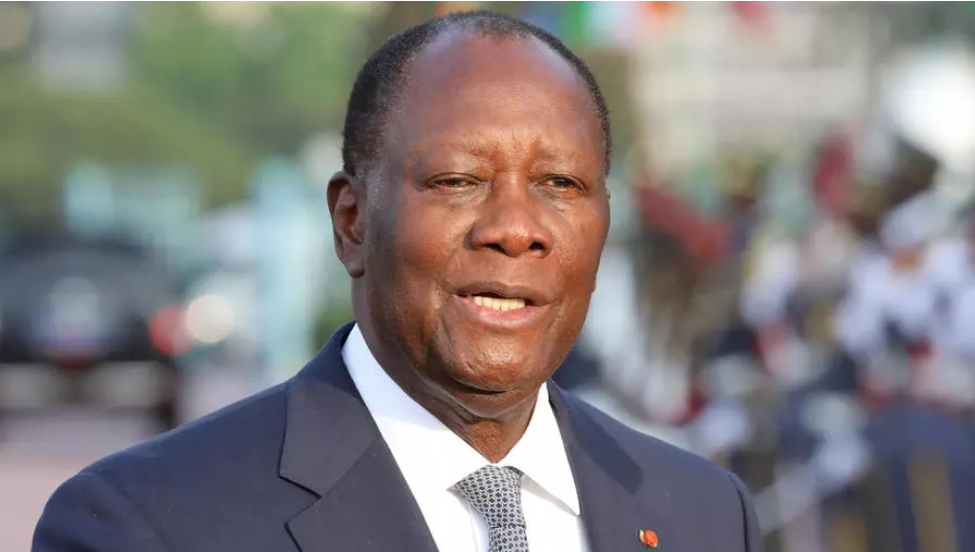
Alassane Ouattara won a fourth term as President of Côte d’Ivoire with nearly 90% of the vote, but only half the electorate participated due to a climate of fear and political tension. The opposition questioned the election's fairness, citing concerns about the electoral commission, voter roll irregularities, and the exclusion of key candidates like Laurent Gbagbo and Tidjane Thiam. These candidates' exclusion, combined with debates over the legality of Ouattara's fourth term, sparked protests that led to violence. Observers generally reported peaceful voting, but pre-election incidents resulted in casualties. Post-election, the opposition criticized the process, raising questions about democracy in Côte d’Ivoire. Reforming electoral laws, bolstering judicial independence, and fostering broader public debate are crucial to averting future crises and achieving long-term stability. Regional and international support for these reforms is also necessary.
